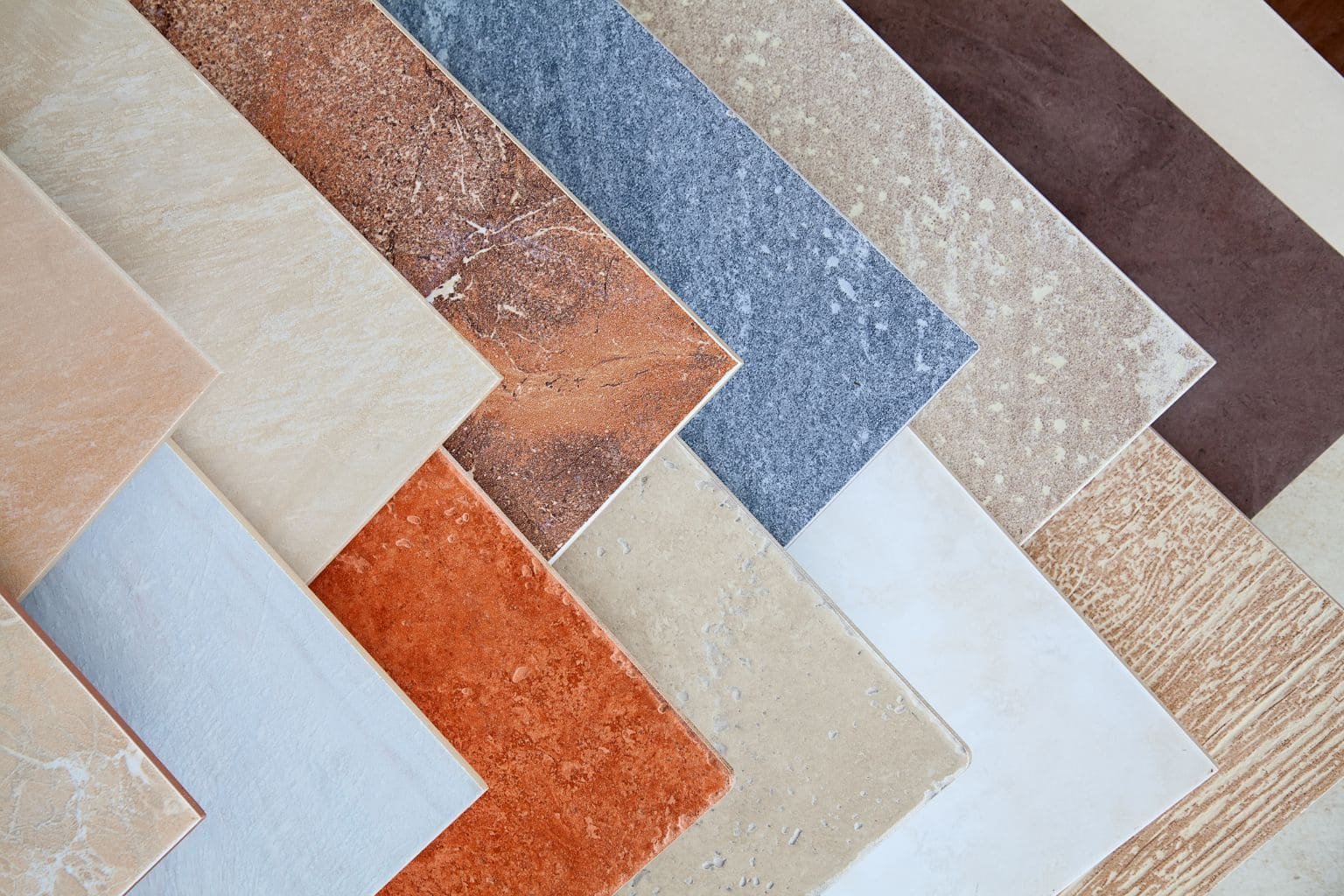

Choosing the right flooring material is a crucial decision in home improvement and interior design. Durability often tops the list of considerations, especially for areas subjected to high foot traffic. Two popular options are Marble Tiles and ceramic tiles, each with unique benefits and challenges. This article evaluates the durability of these materials, helping you make an informed choice for your renovation project.
Marble Tiles: A Durable Choice for Luxury Spaces
Marble Tiles are renowned for their aesthetic value, offering a timeless elegance that enhances any interior. These tiles are made from natural stone, which contributes to their strength and long-lasting nature. Marble is particularly suited for luxury spaces where the design impact is as important as the functionality. According to site analysis, marble’s dense composition makes it resistant to wear, although it may require sealing to prevent stains.
In spaces prioritizing luxury and durability, Marble Tiles stand out. While they may not be suited for areas with high moisture, like bathrooms without proper ventilation, their resilience in living rooms and entryways is unmatched. The use of Marble Tiles can also increase the value of a property, as they are often associated with upscale, high-end interiors.
For those considering marble, it’s important to remember that these tiles require specific care. Regular maintenance and cleaning using non-abrasive products will help maintain their sheen. When paired with a well-thought-out mood board, Marble Tiles can transform any space into a sophisticated haven.
Ceramic Tiles: Versatile and Resilient Flooring Option
Ceramic tiles are a popular choice due to their versatility and resilience. Made from clay and other natural materials, these tiles undergo a glazing process that enhances their resistance to moisture and stains. This makes ceramic tiles an excellent choice for kitchens and bathrooms where water exposure is a concern.
The durability of ceramic tiles is further enhanced by their ability to withstand heavy foot traffic. As a result, they are commonly used in both residential and commercial settings. Ceramic tiles also come in a wide range of colors and designs, allowing for creative freedom in interior design projects.
Moreover, ceramic tiles are often more budget-friendly than their marble counterparts. This cost-effectiveness, combined with their durability and ease of maintenance, makes them a practical choice for many homeowners. When combined with strategic color rendering techniques, ceramic tiles can contribute significantly to a space’s overall aesthetic without sacrificing durability.
Comparing Lifespan and Maintenance of Marble and Ceramic Tiles
When comparing the lifespan of marble and ceramic tiles, both offer impressive durability with proper care. Marble Tiles, because of their dense structure, can last for decades if maintained correctly. However, they do require regular sealing and protection from acidic substances, which can etch the surface.
Ceramic tiles, on the other hand, are less demanding in terms of maintenance. Their glazed surface protects against scratches and stains, making them ideal for areas with heavy use. While they are less prone to damage from acidic spills, they may chip or crack under extreme pressure or impact.
In terms of cleaning, both materials benefit from regular sweeping and mopping with a gentle cleaner. For marble, avoiding harsh chemicals is crucial to preserving its natural beauty. In contrast, ceramic can handle a wider range of cleaning products without risk of damage.
Cost Considerations: Value and Durability of Marble vs Ceramic
Cost is a significant factor when choosing between marble and ceramic tiles. Marble Tiles are generally more expensive, reflecting their status as a premium material. The investment can be justified by their aesthetic value and the potential to elevate a property’s market appeal. For example, Marble Tiles offer a luxury finish that many homeowners desire.
In contrast, ceramic tiles offer a more cost-effective solution without compromising on quality or appearance. They are widely available and come in various styles, allowing homeowners to achieve a high-end look on a budget. Additionally, ceramic tiles are often easier and cheaper to install, reducing overall renovation costs.
Ultimately, the choice between marble and ceramic tiles should consider both initial cost and long-term value. While marble represents a greater upfront investment, its luxurious appeal and durability can justify the expense. Ceramic tiles, however, provide excellent durability and design flexibility at a more accessible price point.
Conclusion
Both marble and ceramic tiles offer substantial durability, each with distinct advantages. Marble Tiles are ideal for creating luxurious spaces, while ceramic tiles offer versatility and cost-effectiveness. Evaluating your specific needs and budget will guide your decision, ensuring a flooring choice that enhances both the function and aesthetic of your home. Whether you opt for the timeless elegance of marble or the practical resilience of ceramic, each option promises to deliver lasting quality and style.